Abuzzline: A Playful Handwritten Font for Business Branding
As a creative consultant who works with small businesses on brand identity, I recently helped a local candle shop owner refresh her packaging and online presence. She wanted her brand to feel more cohesive and memorable, especially as she expanded her product line. We started by rethinking typography — a detail many small business owners overlook. That’s when I introduced her to Abuzzline, a script handwritten font that brought warmth, charm, and a sense of creativity to her brand materials. It’s not just a font — it’s a storytelling tool that connects with customers on a personal level.
Abuzzline for Candle Labels and Product Packaging
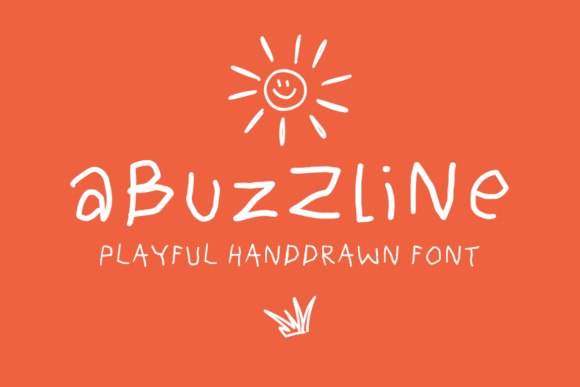
When we began working on her candle labels, we needed a font that felt handmade and inviting. Abuzzline’s rough, scribble-like texture was perfect for that. It gave the labels a personal, artisanal feel without looking messy or unprofessional. We used it for the product names and short descriptions, pairing it with a clean sans serif font for ingredient lists and instructions. The contrast between the playful Abuzzline and the minimalist sans serif created a balanced, modern look that stood out on shelves and online.
What I especially appreciated was how Abuzzline maintained its clarity even at smaller sizes. This is crucial for product packaging, where space is limited but readability is key. Whether printed on matte sticker paper or glossy candle jars, the texture of this script handwritten font added a tactile quality that customers could instantly feel connected to.
Abuzzline for Social Media Graphics and Instagram Templates
Another area where Abuzzline shined was in social media branding. We used it to create Instagram templates for product launches, seasonal promotions, and customer appreciation posts. Because it’s a display font, it worked beautifully for headlines and callouts — drawing attention without overwhelming the visual space.
Its playful energy made the content feel more approachable and friendly, which aligned perfectly with the brand’s personality. We paired it with soft pastel colors and subtle textures to enhance the handmade aesthetic. The result? A more cohesive and engaging feed that felt intentional, not haphazard. For small business owners managing their own social media, choosing a font like Abuzzline can make a big difference in how polished and recognizable your visuals become.
Abuzzline for Thank-You Cards and Customer Touchpoints
We also tested Abuzzline on physical customer touchpoints like thank-you cards and packaging inserts. These are often overlooked, but they’re powerful tools for building brand loyalty. Using this handwritten font made the messages feel more personal — like they were written by hand, even though they were digitally printed.
It’s the kind of detail that makes customers pause and appreciate the care behind a brand. For a small business, that emotional connection can be the difference between a one-time purchase and a repeat customer. Whether printed on recycled paper or included in a branded gift box, Abuzzline elevated the overall experience without complicating the design.
Font Pairing Tips with Abuzzline
One of the most important aspects of using a creative font like Abuzzline is knowing how to pair it with other typefaces. Since it’s a bold, textured script font, it works best when balanced with something clean and simple. We used it alongside a modern sans serif for body text and a classic serif for formal touches like address labels.
This kind of font pairing ensures that your brand materials remain readable and visually balanced. It also gives you flexibility across different platforms — from printed packaging to digital ads. If you're new to typography, start with just two fonts: one decorative and one neutral. That’s all you need to create a strong, memorable brand identity.
What to Check Before Using Abuzzline Commercially
Before downloading and using Abuzzline for your business, make sure to check the licensing terms. Most commercial fonts allow use in product packaging, marketing materials, and digital content — but it’s always good to confirm. Also, look for file formats that work across design platforms (like OTF, TTF, and WOFF), and check if the font includes alternates, ligatures, or multiple weights for added flexibility.
If you're designing for international markets, verify that the font supports multilingual characters. And for small businesses using this handwritten font in printed materials, always test it at actual size to ensure readability — especially for fine details or small packaging labels.