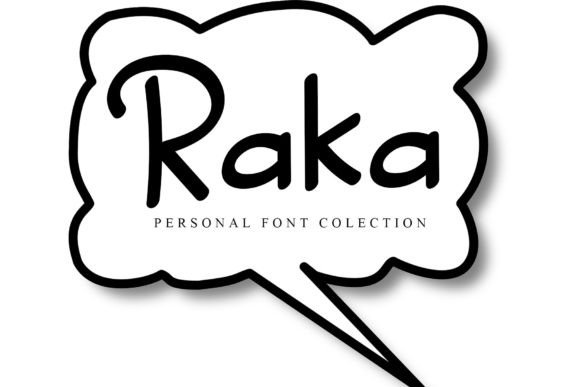
Raka: A Handwritten Font for Elegant Web Design Projects
Raka in a Real Web Project: Choosing the Right Font for a Coaching Website
While working on a new coaching website for a wellness brand, I needed a font that felt personal, approachable, and modern. The client wanted the site to reflect authenticity and calm confidence—something that could bridge the gap between digital professionalism and the warmth of handwritten communication. That’s when I came across Raka, a script handwritten font that immediately stood out for its elegant flow and natural texture. I decided to test it in the hero section to see how it performed in a real web layout scenario.
Raka for Hero Headlines and Call-to-Action Buttons
I started by using Raka for the main headline: “Find Your Inner Balance.” The soft curves and natural stroke variation gave the text a hand-drawn feel that worked beautifully over a light watercolor background. Since Raka is designed as a script handwritten font, it’s perfect for short, impactful phrases rather than long body copy. I applied it to the primary call-to-action button as well: “Start Your Journey Today.”
On desktop, the font looked stunning—clean, readable, and emotionally engaging. I made sure to pair it with a simple sans-serif like Open Sans for body text to maintain contrast and readability. This kind of font pairing is essential in web design, especially when using a decorative display font like Raka.
Raka for Wedding Invitations and Elegant Branding
Later in the project, I realized Raka’s potential beyond web use. A portion of the client’s business involved offering luxury retreats, and she needed digital and print materials that felt cohesive and high-end. I used Raka for digital wedding-style invites, thank-you cards, and even social media graphics. The font’s elegant script style gave each piece a personal, artisanal touch.
Because Raka is part of the script handwritten category, it mimics the look of real handwriting without feeling messy or unprofessional. It worked especially well in designs where the goal was to evoke warmth, trust, and intimacy—perfect for wedding-related content or personal coaching branding.
Readability Considerations for Raka on Mobile Screens
One thing I always check when using a handwritten font like Raka is how it behaves on mobile devices. Script fonts can sometimes become too delicate or hard to read at smaller sizes. I tested Raka at 18px and 24px on both iOS and Android browsers and found it remained legible, especially when used in headers and not for long paragraphs.
To enhance readability, I made sure to avoid using Raka on dark backgrounds without proper contrast. When overlaying the font on images or gradients, I added a subtle drop shadow to help it stand out. This small tweak made a big difference in maintaining visual clarity across different screen sizes.
Raka for Business Cards and Logo Design
Another use case I explored was logo design. The client wanted a digital logo that could also be printed on business cards and promotional materials. I used Raka for the brand name and paired it with a minimalist sans serif for the tagline. The result was a logo that felt modern yet personal, ideal for a wellness coach aiming to build trust with her audience.
Raka’s clean strokes and balanced letterforms made it easy to scale down for business cards without losing detail. Its script handwritten aesthetic added a human touch that generic fonts couldn’t replicate. If you're working on a brand identity that leans into authenticity and elegance, Raka is a strong contender for logo design and printed assets.
Font Pairing and Layout Harmony with Raka
Font pairing is one of the most important aspects of using a display font like Raka effectively. Since it’s decorative and expressive, I never used it for more than 10% of the content on any given page. Instead, I reserved it for headers, hero text, and accent elements.
A typical layout would use Raka for the headline, a bold sans-serif like Montserrat for subheadings, and a clean serif or sans-serif for body copy. This created a visual hierarchy that guided the user's eye naturally through the page. Raka helped establish emotional tone while the supporting fonts handled clarity and structure.
Raka for Greeting Cards and Digital Campaigns
As the project evolved, I also used Raka in a series of digital greeting cards and campaign landing pages. These were used for seasonal promotions and client appreciation emails. The font’s elegant script style made the cards feel more personal and less automated, which aligned with the brand’s goal of fostering genuine connections.
In email headers and social media graphics, Raka added a subtle luxury touch. It worked especially well in designs that included floral motifs, soft gradients, or minimal illustrations. The key was to keep the rest of the layout simple so Raka could shine without competing for attention.
Licensing, Formats, and Webfont Availability of Raka
Before finalizing the site, I made sure to check Raka’s licensing terms. Since the project included both client and commercial use, I needed a font that allowed for web embedding, downloadable assets, and brand kit creation. Raka came with multiple formats—WOFF, TTF, EOT—and included commercial use permissions, which made it a solid choice for a professional project.
I also checked the font’s character set for multilingual support. While it wasn’t necessary for this particular client, it’s always good to know the font can be used across different markets. If you're building a global brand or a multilingual website, be sure to verify language coverage before committing to a script handwritten font.
Final Thoughts on Using Raka in Web and Brand Design
Overall, Raka proved to be a versatile and elegant choice for a variety of design needs. Whether used in a web design context for headers and hero sections or in packaging design for business cards and invitations, it brought a sense of warmth and craftsmanship that elevated the brand’s digital presence.
If you're a web designer or digital creator looking for a handwritten font that balances personality with professionalism, Raka is definitely worth testing in your next project. Just remember to pair it wisely, test for readability, and always check licensing terms before deploying it live.